Choose the structure from the product, handling route and presentation requirement—not from the product name alone.
On this page
Folding carton projects
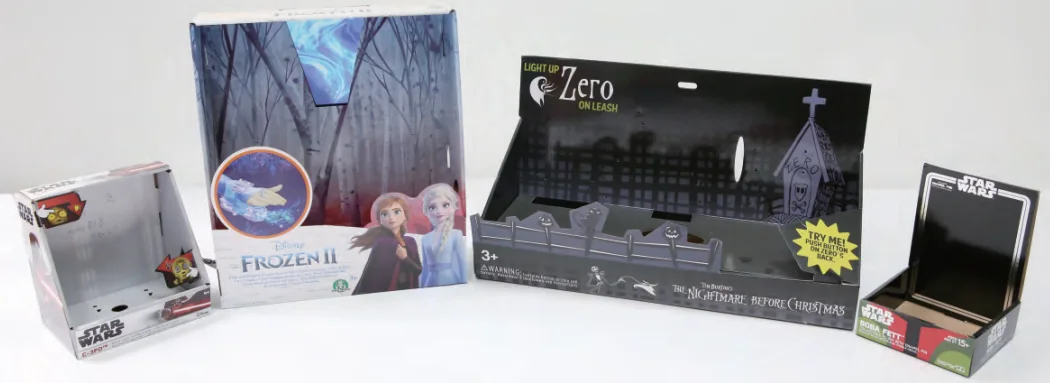
Folding cartons use paperboard structures that can support detailed graphics, compact flat packing and a wide range of retail formats. Product fit, crease design and closing method remain project-specific.
Corrugated packaging projects
Corrugated constructions introduce a fluted board structure and are often reviewed where stiffness, handling or a larger format matters. Print and mounting routes depend on the chosen construction.
Questions that drive the decision
- What does the package hold and how much does it weigh?
- Is the package primary presentation, transport protection or both?
- How will units be packed, stacked and shipped?
- What graphics and finishing are required?
- Is a physical fit or handling test needed?
Request a structural review
Send product dimensions, weight, reference images, intended use, quantity and packing route. A sample can then be reviewed against the actual product rather than a generic assumption.
Common RFQ mistake
Avoid asking the supplier to assume missing dimensions, materials, quantities or pack definitions. Separate confirmed requirements from questions that need engineering input.