A practical checklist for giving a printing manufacturer enough information to review structure, production route and quotation scope.
On this page
A useful RFQ does not need to be a finished technical package, but it should define the product well enough for the manufacturer to identify assumptions and open questions.
Start with the product and its intended use
State whether the project is a folding carton, corrugated pack, paper display, puzzle box, card box or another printed paper product. Explain what it holds, how it will be handled and how it is expected to appear at retail or in a finished set.
Provide the core specification
- Finished dimensions and, where available, a dieline or physical reference
- Estimated order quantity and any quantity breaks that need comparison
- Material, board construction or performance requirements already known
- Artwork status, color references and proofing expectations
- Surface finishing, die cutting, gluing, assembly and packing requirements
- Required testing, inspection or document scope
- Target schedule and delivery destination for planning discussion
Separate confirmed requirements from open decisions
Mark which details are fixed and which require manufacturing input. This helps engineering and quotation teams focus on decisions that affect structure, process and cost instead of treating every line as final.
Use references carefully
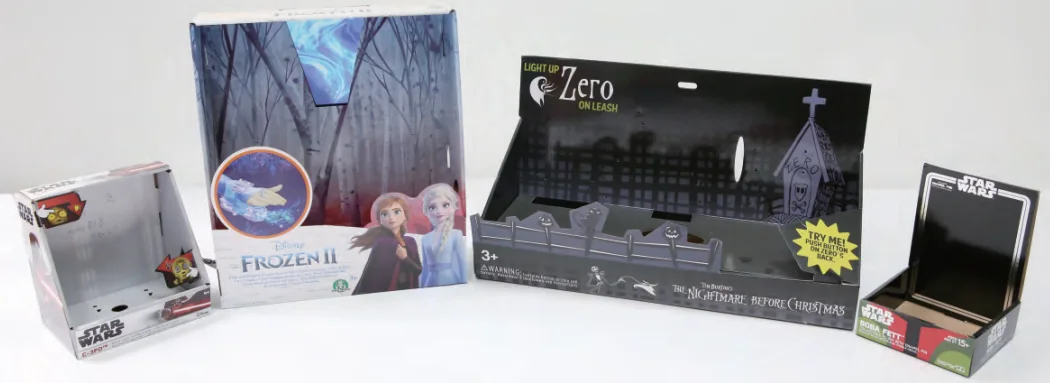
A reference sample or image can clarify form and appearance, but it should not replace dimensions, materials or performance expectations. Note what should be matched and what may be changed.
Before requesting a quotation
Check that the quantity, packing method and component list describe the same finished product. For multi-component products, include every printed piece that must be produced, collated or packed together.